UK Auction House Results Show Split Market: Record Raises vs Softening Trends
The UK property auction market is telling two stories simultaneously. Allsop's recent auction raised £52 million with strong bidding activity, while other houses report 100% success rates. Yet beneath these headline numbers, the market is showing signs of fundamental softening that smart investors need to understand.
Current Auction Performance: The Numbers Behind the Headlines
Allsop's £52 million raise represents solid performance in challenging conditions, with competitive bidding driving prices above guide levels on key lots. Simultaneously, several smaller auction houses are reporting 100% success rates, suggesting strong demand continues for properly priced properties.
But this surface-level strength masks deeper currents. The rental reform legislation is driving more landlords to auction as an exit route, increasing supply just as buyer appetite becomes more selective. Properties that would have sold comfortably six months ago are now facing stiffer resistance from bidders who've become hyper-aware of completion risks and financing constraints.
Market data shows a clear pattern: premium lots in prime locations continue performing strongly, while marginal properties — those needing significant work or in challenging areas — are struggling to meet reserves. This isn't market-wide weakness; it's increased buyer sophistication.
Rate Stability Creates Strategic Opportunities
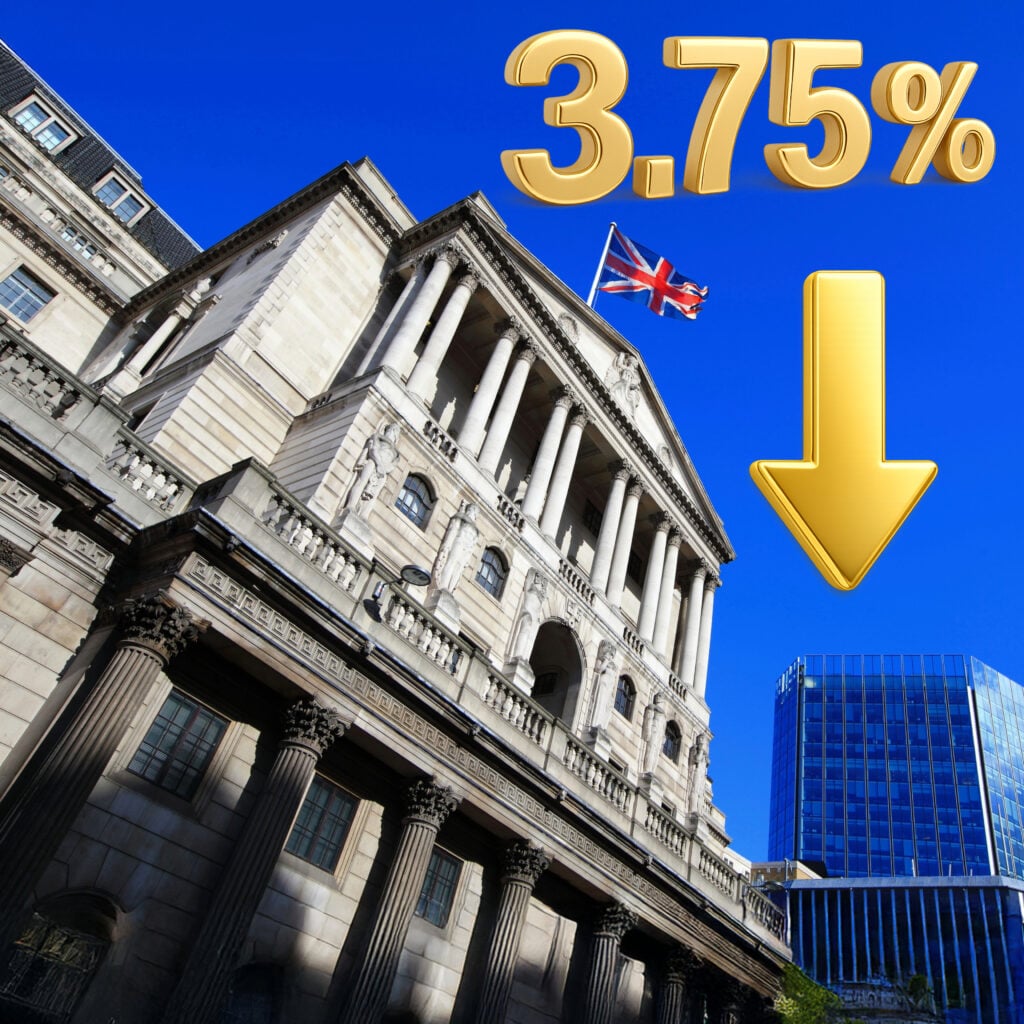
The Bank of England's decision to hold rates at 3.75% provides the stability auction buyers desperately need. Unlike the volatile period of 2023-24, investors can now model bridging costs with reasonable confidence across the 28-day completion period.
This rate stability particularly benefits auction strategies because bridging lenders have stopped the constant repricing that made deal evaluation nearly impossible. A 3.75% base rate translates to bridging costs of roughly 7-9% for most investors — expensive, but predictable.
Industry reports indicate this predictability is separating serious investors from casual browsers. The investors showing up at auctions now have pre-approved finance and realistic completion strategies. The weekend warriors have largely retreated, which actually improves conditions for committed buyers.
Market Softening: What the Data Really Shows
Beyond the positive headlines, several indicators suggest auction market softening. Guide prices are being set more conservatively, with auction houses clearly mindful that overpriced lots damage their reputation and waste everyone's time. The average discount to estimated value has widened, particularly for properties requiring substantial refurbishment work.
Lot withdrawal rates have increased, though houses rarely publicise this. When sellers pull properties days before auction, it typically signals that pre-auction interest was insufficient to justify the reserve price. This is happening more frequently across all property types, not just the obvious problem cases.
The composition of successful bidders has also shifted. Whereas 2021-22 saw significant retail investor participation, current auctions are dominated by professional property companies and experienced portfolio investors. These buyers understand legal pack analysis, have established financing relationships, and can complete within 28 days without drama.
Bridging Finance Market Reflects Split Conditions
The auction finance market perfectly mirrors the broader split conditions. Lenders are offering attractive rates for straightforward deals — Victorian terraces with clean title, modern flats in decent areas — while becoming increasingly selective on anything requiring planning permission or major structural work.
This selectivity creates opportunities for investors who understand what lenders actually want. Properties with existing rental income, clear refurbishment scope, and obvious exit strategies are finding competitive finance. Complex development plays or properties with title issues face much tighter lending criteria.
For auction buyers arranging bridging finance, the key is approaching lenders before auction day with full legal pack analysis and realistic completion timelines. The casual approach of bidding first and worrying about finance later simply doesn't work in current conditions.
Regional Variations Tell the Real Story
Auction performance varies dramatically by region, reflecting underlying economic conditions rather than property fundamentals. Northern auction houses report steady activity but reduced average lot values, while London auctions continue achieving premium prices for quality lots.
The Midlands presents the most interesting dynamic. Industrial and commercial lots are performing strongly as businesses relocate from higher-cost regions, while residential auctions face increased competition from conventional sales as marketing times have extended.
Scotland's auction market remains relatively insulated, partly due to different legal procedures but mainly because supply remains constrained. When quality lots do appear, bidding can be surprisingly competitive.
What This Means for Your Auction Strategy
This split market rewards preparation and punishes improvisation. Successful auction investors in current conditions focus on three areas: thorough due diligence, pre-approved financing, and realistic profit margins.
The days of buying any auction property and making money through general house price inflation are over. Current conditions demand specific expertise — understanding legal packs, recognising genuine value opportunities, and having robust completion strategies.
For new auction investors, this environment actually provides better learning conditions. With reduced competition from casual buyers, serious participants have more time for due diligence and less pressure from speculative bidding. Our complete guide to buying property at auction covers the essential preparation steps that separate successful bidders from expensive mistakes.
Looking Forward: Rate Environment and Auction Activity
The Bank of England's commitment to fighting inflation suggests rates will remain elevated through 2026, which actually suits committed auction investors. High rates deter casual participation while rewarding investors who understand bridging finance and have realistic profit expectations.
Auction houses are adapting by focusing on lot quality rather than quantity. Expect smaller but higher-quality auction catalogues, with properties properly researched and realistically guided. This benefits serious investors who prefer fewer, better opportunities over large catalogues filled with unsellable lots.
The rental reform impact will continue driving supply, particularly from smaller landlords who lack the appetite or expertise for dealing with enhanced tenant rights. This creates a natural flow of well-maintained rental properties to auction, often at prices below their vacant possession value.