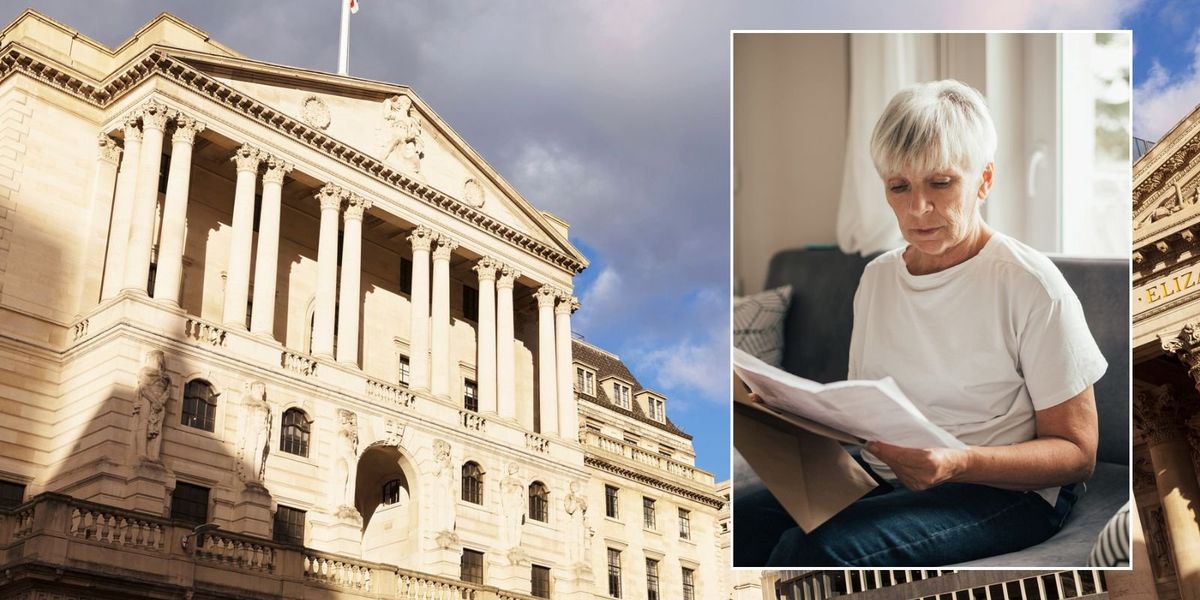
Rate Hold Freezes Lender Decisions: Why BoE's 3.75% Stand Creates Auction Finance Gaps
The Bank of England held rates at 3.75% this week, but the decision masks a more complex story for property auction investors. While headline rates stayed put, the MPC's caution around Iran war impacts and 3.3% inflation is freezing bridging lender decision-making just when auction lots are coming to market.
This isn't the stable environment most commentators are describing. It's creating a two-tier market where investors with pre-approved bridging facilities are picking up deals that would have attracted fierce competition six months ago.
Why Rate Stability Isn't Delivering Finance Stability
Bridging lenders are processing applications slower than they were in early 2024, despite the base rate hold. The issue isn't pricing — most bridging rates remain between 0.65% and 1.2% monthly — but risk appetite around geopolitical uncertainty.
The practical result: auction buyers with 28-day completion deadlines are finding lenders who were keen in March now want additional security, lower LTVs, or extended due diligence periods that don't align with auction timescales.
This creates an obvious problem if you're bidding without finance in place. But it's also creating opportunities for buyers who can move quickly.
The Iran War Inflation Effect Nobody Talks About
The MPC's decision statement referenced ongoing monitoring of "geopolitical developments" — central bank speak for the Iran war's impact on energy prices. March inflation jumped to 3.3%, driven partly by petrol costs that auction investors should factor into their calculations.
If you're buying a property in a location where tenants commute by car, budget for higher void periods. Rental demand is shifting toward areas with better transport links, and auction lots in car-dependent suburbs are reflecting this in hammer prices.
One pattern emerging from recent auction results: terraced houses within walking distance of train stations are holding value better than detached properties requiring car ownership. The data suggests tenants are making location decisions based on transport costs, not just rent levels.
Pre-Approved Finance Becomes the New Auction Premium
The finance uncertainty is creating a clear division in auction rooms. Buyers with confirmed bridging facilities are finding less competition for properties that would have seen multiple telephone bidders earlier this year.
Look at recent Auction House London results: they offered 276 lots with 65% selling for £30.3 million raised. That 65% success rate tells you something important — the buyers who are completing are the ones who solved their finance puzzle before auction day.
The most successful approach: arrange bridging finance pre-approval for 70% LTV, then hunt for auction lots where your budget creates genuine buying power. Don't chase guide prices up to your maximum — use the finance certainty as leverage to win at sensible levels.
Our breakdown of how bridging finance works for auction buyers covers the mechanics of getting bridging pre-approval, but the key now is speed. The lenders still operating at normal timescales are seeing higher demand.
What the Delayed Rate Cut Cycle Means for Your Strategy
The BoE was widely expected to begin cutting rates this quarter. The hold at 3.75% suggests cuts won't begin until inflation shows sustained movement back toward 2% — which likely pushes the first cut into the second half of this year at earliest.
For auction investors, this changes the refinancing timeline. If you're buying with 12-month bridging, plan exit strategies around autumn mortgage rates, not spring assumptions. The mortgage market is pricing in eventual rate cuts, but 'eventual' now looks like late 2024 or early 2025.
This particularly matters for BRRR strategies where the refinance mortgage is crucial to the overall returns. Build longer bridging periods into your calculations and factor higher holding costs into your bid limits.
The Hidden Opportunity in Lender Cautiousness
The curious thing about the current market is how lender caution is creating opportunities rather than just problems. Auction houses are reporting that lots which would have attracted 8-10 interested parties are now seeing 3-4 serious bidders.
The reason: many potential bidders are discovering they can't arrange finance quickly enough to meet auction deadlines. This isn't because rates are prohibitive — it's because lenders are taking longer to make decisions and requiring more documentation.
If you can navigate the finance piece efficiently, you're competing in a smaller pool. The key is having relationships with bridging lenders who understand auction timescales and aren't freezing decisions while they "assess geopolitical impacts."
Making Auction Decisions in an Uncertain Rate Environment
The practical takeaway: don't let BoE rate predictions drive your auction strategy. Focus on what you can control — pre-arranged finance, due diligence on specific lots, and realistic exit strategies for your local market.
Rate Hold Unlocks Auction Opportunities: What 3.75% Stability Means for Property Investors explored how rate stability benefits auction buyers, but the current environment requires more nuanced thinking.
The immediate priority is arranging bridging finance that can complete within 28 days, regardless of what happens to base rates over the next six months. The secondary priority is hunting auction lots in areas where transport links insulate tenants from rising fuel costs.
This isn't the stable, predictable environment that "rate hold" headlines suggest. But for investors who adapt to the reality rather than the headlines, it's creating genuine opportunities in auction rooms across the UK.